
However, people who do not have enough of this enzyme can develop histamine intolerance. Alcohol intolerance is a genetic condition that prevents the body from being able to break down alcohol effectively. Genetic testing, either at home or at a medical facility, can confirm if a person has the condition. Data is limited, says Park, but a small 2012 study published in DA International found that about 7.2% of 4,000 participants were intolerant to wine and alcohol. In this article, we’ll explain the difference between alcohol intolerance and allergy, as well as the causes, symptoms and treatment. More research is needed to understand its causes and treatment options.
- Even drinking a small amount of alcohol (ethanol) causes unpleasant symptoms.
- However, these should be used cautiously and under a physician’s guidance, as they do not address the root cause of alcohol intolerance and may have side effects.
- Genetic testing may also be an option, providing a more definitive answer.
- Alcohol allergies are rare, but if you do have one, it doesn’t take much to trigger a reaction.
Questions to ask a doctor
Alcohol intolerance can cause immediate, unpleasant reactions after you drink alcohol. The most common signs and symptoms of alcohol intolerance are stuffy nose and skin flushing. Alcohol intolerance is caused by a genetic condition in which the body is unable to break down alcohol efficiently.
What to expect from your doctor

However, it’s important to read ingredient labels very carefully. People with mold or yeast allergies may have an allergic reaction to the brewer’s yeast used to make fermented beverages like beer, wine, and hard cider. Sulfites naturally found in wine and beer can cause asthma symptoms in people who are sensitive to sulfites.
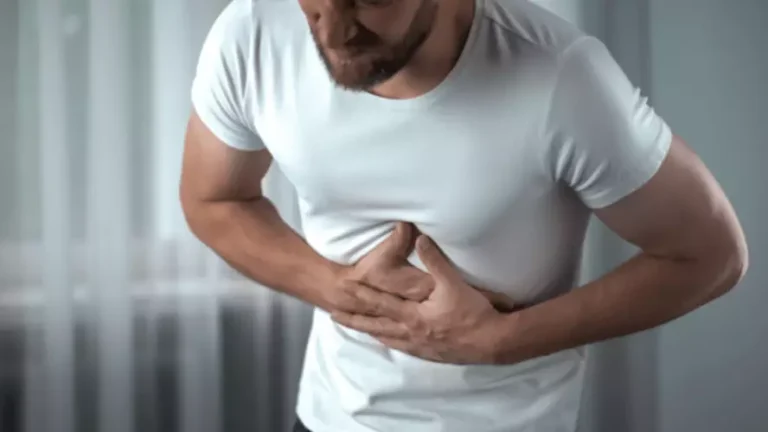
When to see a doctor

This is caused by inherited (genetic) traits usually found in Asians. If you’re allergic to another ingredient contained in certain alcoholic products, switching to a different drink might be an option. It is important to seek specialist advice if your suspect some sort of alcohol intolerance, as alcohol intolerance and alcohol allergy are commonly confused and misdiagnosed. In fact, your body might have an inability to process other constituents of alcohol, such as histamine, yeast, grains, sulfites, or preservatives. As a person ages, certain health conditions or medications may mean they have different reactions to alcohol than they previously did.
- This prescription device has a concealed needle that injects a single dose of epinephrine when you press it against your thigh.
- The second turns acetaldehyde into acetate, which the body breaks down into water and carbon dioxide and eliminates.
- This is caused by inherited (genetic) traits most often found in Asians.
- As a result, the study’s findings may be an under-representation.
- Some people may even have reactions to grapes or corn used to make wine and distilled liquors.
- However, in some cases, what seems to be alcohol intolerance may be your reaction to something in an alcoholic beverage—such as chemicals, grains, or preservatives.
Health Challenges
- However, if they want to have tests to check their alcohol intolerance, they can contact a doctor to ensure they are drinking safely.
- It is important to distinguish between alcohol allergy and alcohol intolerance, as the two terms are often mistakenly used interchangeably.
- Dr Fox recommends avoiding alcohol to treat alcohol intolerance.
- If you have an allergy, your immune system over-reacts to contact with a trigger or “allergen.” If you have an alcohol allergy, your immune system treats alcohol as a threat.
- Sudden onset alcohol intolerance can be perplexing and concerning when it develops.
- While most people can tolerate sulfites in foods, there are some who are especially sensitive to them and may experience an asthma attack.
Without sufficient ALDH2, a toxic byproduct of alcohol metabolism known as acetaldehyde builds up and causes unpleasant reactions. Alcohol intolerance means it’s difficult for your body to break down (metabolize) alcohol. This allows toxins to build up, resulting in facial flushing and other alcohol intolerance symptoms.
Corn Allergies and Intolerances

If a person chooses to confirm their diagnosis via genetic testing, they can go through the healthcare system or order an at-home test. The most common involves two enzymes, known as alcohol dehydrogenase (ADH) and alcohol dehydrogenase 2 (ADH2). While there is no cure for this condition, avoiding alcohol can help you stay symptom-free and avoid an uncomfortable reaction. “If you start to feel sick after drinking a small amount of alcohol, or notice your face, chest and neck becomes flushed, this can be a sign of alcohol intolerance,” says Parker.
When stress exceeds a certain limit, it might trigger brain inflammation, resulting in symptoms like those seen in ME/CFS, including alcohol intolerance. Ongoing research, including advanced brain scans, aims to further investigate these connections. In some cases, what causes alcohol intolerance they might use an oral challenge test to diagnose an allergy or intolerance.
Alcohol Allergy Risk Factors
In this procedure, they will ask you to consume a sample of your suspected trigger. If you have this variant, it causes your body to produce less active ALDH2. Aldehyde dehydrogenase (ALDH2) is an enzyme that your body uses to digest alcohol. It turns alcohol into acetic acid, a main component of vinegar, in your liver. If you continue to drink alcohol and suffer from alcohol intolerance, this is likely to cause liver damage.
Alcohol allergy is very rare but allergic reactions can be strong, leading in some cases to anaphylaxis which can be fatal. The symptoms of alcohol allergy can be very similar to alcohol intolerance. People may be unable to drink alcohol without feeling sick as a result of a hangover, lack of sleep or food, or alcohol intolerance. An alcohol intolerance occurs when someone’s body lacks the enzymes to suitably digest alcohol. As a result, a person may experience facial flushing and skin and digestive issues.